
Is Ube Here to Stay? The Purple Yam's Sustainable Future
Purple drinks are everywhere, from lattes to frappes, but ube is leading the wave. Is it a true cultural shift, or just the next Instagram trend?
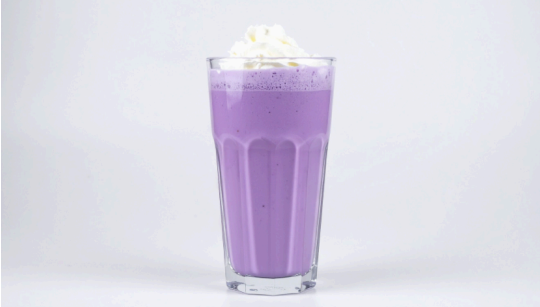
A new shade of café culture - the assimilation of ube into everyday drinks. Image Credit: Canva.
From purple frappes to hot chocolates, lattes and even matchas (whoever thought purple and green went well), there seems to be a purple tint in all our “pick me up” drinks. Though the origins of Ube can be traced back to 10,000 years ago in the Philippines, it has now experienced a rebirth and is appearing in all our local coffee shops.
In 2025, Pret A Manger introduced the Ube Brûlée Iced Latte, a summer menu addition featuring a vibrant purple hue, blending nutty ube (purple yam) flavour with caramel syrup, milk, and signature espresso over ice. That trend quickly spread with Blacksheep following onboard releasing an ube flavoured matcha. One year later, Costa and Starbucks have left the high horse and hopped over the trend of tinting their drinks purple.
What is Ube?
Ube (pronounced “OO-beh”) is a vibrant purple variety of yam (Dioscorea alata) that originates from the Philippines and is widely used in Filipino cuisine, especially in desserts. It is prized for its naturally sweet, vanilla-like flavour, creamy texture when cooked, and its striking purple colour, which comes from anthocyanin pigments (the same type of antioxidants found in blueberries and purple cabbage).
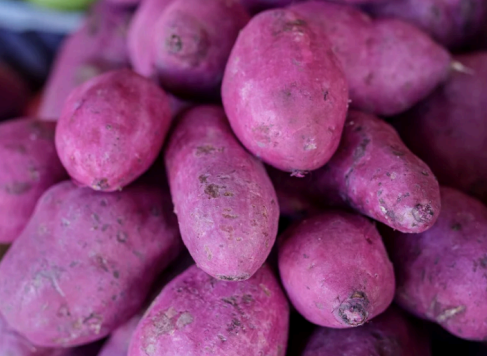
The ingredient behind the purple wave - ube. Image Credit: Canva
Unlike taro or purple sweet potato, which are often confused with ube, ube has a noticeably richer sweetness and a smoother, almost custard-like consistency when mashed. Taro tends to be more earthy and mildly nutty, while purple sweet potato is drier and less creamy.
Ube is most commonly prepared as ube halaya (a thick, jam-like dessert made by cooking and mashing the yam with milk and sugar). This base is then used in many popular treats such as ube ice cream, cakes, pastries, donuts, and the Filipino dessert halo-halo. Its flavor profile makes it especially popular in modern fusion desserts around the world.
Nutritionally, ube is a good source of complex carbohydrates, dietary fibre, and small amounts of vitamins like vitamin C and potassium. Its antioxidant content (from anthocyanins) is also one of the reasons it has gained attention beyond traditional cuisine.
Today, ube has become a global food trend ingredient, appearing in cafés and bakeries across North America, Europe, and Asia, often valued as much for its natural purple color as for its unique taste.
A food trend with a lighter footprint
Beneath the colour and café appeal sits a quieter, more optimistic angle to ube’s rise. Unlike commodity crops that have historically driven deforestation through industrial monocultures, ube has largely remained rooted in smallholder and mixed farming systems, where it is grown as part of diversified land use rather than vast, cleared plantations. This structure offers clear environmental benefits: it helps preserve existing forest ecosystems, reduces pressure for large-scale land conversion, and supports more resilient farming landscapes where biodiversity and agriculture can coexist.
On paper, this gives ube a lighter environmental footprint, less land pressure, fewer industrial inputs, and a slower, more traditional agricultural rhythm that works in closer balance with nature. In a global food landscape often defined by extractive scaling, this makes ube stand out not just as a visual trend, but as a reminder that popularity does not always have to come at the cost of environmental strain. And so alongside its aesthetic appeal, ube carries another, quieter strength: the possibility that global demand and ecological restraint do not always have to be opposites.
Matcha already proved the blueprint - but can ube follow it?


Comments