
Human rights to Nature rights: The long awaited decisions

In this article, Summer Elsie discusses the implementation of the Rights of Nature movement - a green based switch following long-term, socio-political neglect of the natural world. She covers the countries that have pioneered this shift and broader implications for environmental protection.

'Nature' in bold white letters against ivy leaves. Image credit: Pixabay
The Rights of Nature policy officially began in 1972, through discussions in Southern California led by Professor Christopher Stone, following his influential article “Should Trees Have Standing? Toward Legal Rights for Natural Objects.” This publication later inspired Alberto Acosta to publish ‘Nature as a Subject of Rights’ in 2015.
These ideas snowballed to a significant milestone in 2008, when Ecuador became the first country to constitutionally recognise the rights of nature. Through a national vote, citizens approved the inclusion of these rights in constitution, aiming to reduce environmental destruction – particularly within the Amazon rainforest. The passing of this constitution focused heavily on species conservation and cohabitation across urban areas and environments.
Principles for the Enforcement of Rights and the Rights of Nature
Chapter One of Ecuador’s constitution focuses on the importance of cohabitation in the modern world. It discusses how the human rights act, allowing us to live freely and follow our own paths without political and social negligence, must also encompass environmental responsibility. This perspective encourages a shift in lifestyle, promoting regulated consumption and challenging materialistic ideals, as nature is now subjected to the same rights to those of humans and should be treated with equal respect.
Chapter Seven further emphasises the need to respect all beings in which ‘life and reproduction occurs’. It asserts that all communities, people and governments must respect the new structures and functions of the environment at a global scale! This allows nations and citizens to call upon authorities to enforce the rights of nature if they are violated.
Another key principle is the right of nature to full restoration. This involves undoing all past negligence and actions, which then allows compensation to the communities that have also been impacted by the destruction, such as victims of oil spills or slash-and-burn agriculture. This new outlook shifts the focus on environmental restoration and giving back to the Earth.

Aerial view of the Amazon rainforest and river. Image credit: Pixabay
Critters and Mammals
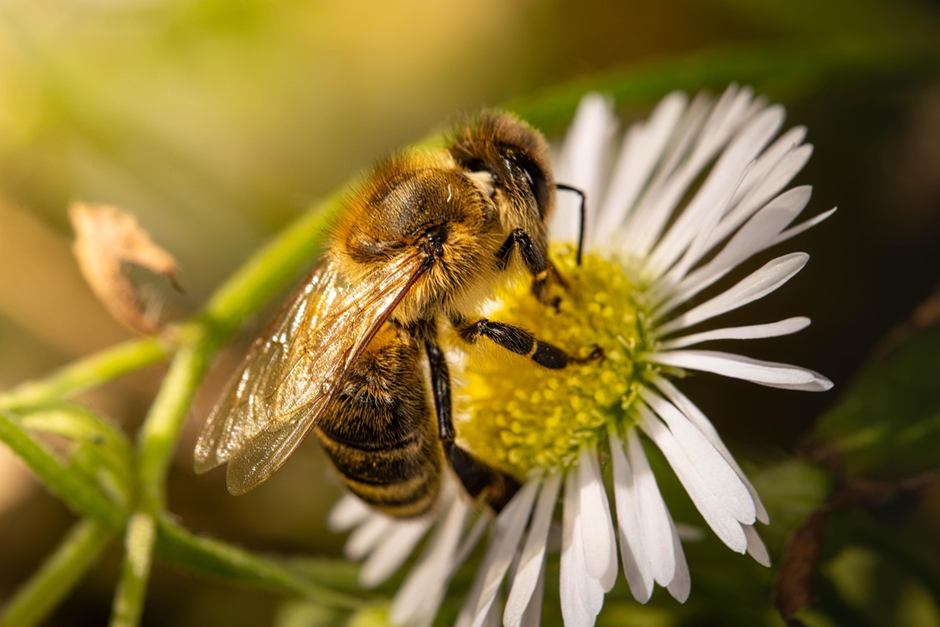
In the past year, certain species have begun receiving legal recognition. As of October 2025, stingless bees in Peru’s Amazon region, particularly Satipo and Nauta municipalities, became the first animal to be given legal rights due to their essential ecological role at a global scale!
Many other animals have been lifted onto a similar pedestal, deserving of legal rights to protect them from emotional or physical harm. In New Zealand, great apes were granted basic rights back in 2015 due to their enhanced cognitive function, abilities and genetic relation to the human species. This followed on from Spain’s actions in 2007, stating that Great apes would be given legal personhood rights.
Additionally, species classified as endangered are often given priority protections under international agreements such as CITES (Convention on International Trade in Endangered Species). These measures aim to prevent extinction and preserve biodiversity on a global scale.



Christopher Stone’s 1972 “Should Trees Have Standing?” still feels remarkably forward-looking, especially as human rights expand toward Nature rights. I’ve been using https://base44.art/base44-pricing
The 1972 discussions led by Christopher Stone show how transformative “Should Trees Have Standing?” was for expanding legal rights beyond humans. I’ve been using https://owl3d.pro
The shift from human rights to Nature rights feels especially significant when traced back to Christopher Stone’s 1972 “Should Trees Have Standing?” Check out https://openartai.pro
Christopher Stone’s 1972 “Should Trees Have Standing?” helped spark a powerful shift from human rights to Nature rights. I’ve been exploring this perspective through a helpful resource I’ve been using https://topazlabs.site
1hitclub.io mình ghé thử đúng kiểu lướt cho biết vì thấy bạn bè nhắc, chứ cũng không định ngồi đọc kỹ gì. Ấn tượng đầu là giao diện chia khối khá rõ, nhìn vào không bị “ngợp” như mấy trang hay nhồi chữ. Cái mình thấy tiện nhất là menu để ngay chỗ dễ thấy nên bấm qua lại mấy mục nhanh, không phải kéo lên kéo xuống tìm. Thêm nữa là mấy phần thông tin họ trình bày gọn theo dạng cột nên liếc phát là hiểu đại khái, mắt đỡ mỏi. Nói chung cảm giác dùng ổn, kiểu mới vào cũng không bị lạc vì các khối nội dung và menu điều hướng đặt ngay trên giao diện.